
"same ethiopia"
6000 article(s) found

Are Sidamo and Gucci the same producing area? what are the differences between Sidamo and Guji coffee beans?
Easily watered coffee name: Sidamoguji Sidamo Guji Bildiimoo Lot#2 country: Ethiopia Ethiopia production area: Sidamo Sidamo Guji Grade: Grade 1 treatment: washing treatment Washed Process Variety: Ethiopian Native species Ethiopian Heirloom altitude: 1900 meters Flavor: bright Citrus sour Flower thick

Essex plus Chevy washed Wakayega native coffee beans, brand recommendation and manor
For professional baristas, please follow the introduction of the coffee workshop (Wechat official account cafe_style): this bean comes from a single farm Ethiopia and is processed by the Waka Cooperative (Worka cooperative). Alemayehu Alako Farm is a member of the Waka Cooperative. The Waka Cooperative, located in the south of Gedeb District, was founded in 2005 and joined the famous Yejia Xuefei that year.

Yega Xuefei washed Woka Coffee Taste and Flavor characteristics of Waka washed with Yega Xuefei Water
For professional baristas, please follow the Coffee Workshop (official Wechat account cafe_style) Ethiopia Washed Yirgacheffe Worka G1 country: Ethiopia Grade: G1 production area: Worka Baking degree: shallow Baking method: washing Variety: local Native species treatment Plant: Waka Cooperative Flavor: lemon, Kumquat, White Grape Juice Yega Snow itself

Introduction to the unique flavor and taste of Ethiopian coffee manor
China Coffee Network Ethiopia's coffee market management agency is the Ethiopian Coffee and Tea products Administration. There are two auction centers in the country, one in the capital Addis Ababa (Addis Ababa) and the other in Dire Dawa in eastern Ethiopia. Coffee growers bring fresh fruit or to private coffee processing plants or cooperative systems

Fine Coffee Coffee name and Brand
National place name: indicates the area where coffee is produced. For example, Ethiopia. Harald shows that the product is produced in Harald, Ethiopia. It should be noted here that the name of the country is the same, but when the region and year are different, the quality of coffee is different, and the taste of coffee is not guaranteed to be consistent. Port of export: indicates the port of export of coffee. Coffee of the same origin and brand in the same place.

Unique and mellow Ted Manor Fine Coffee Bean planting situation, Geographic location, Climate and altitude
Ethiopian coffee beans grow in close to the natural environment, after years of planting under the same growth conditions, Ethiopian coffee beans have gradually adapted to the environment here. More than 60% of coffee beans are grown in forests or semi-forests. Large-scale coffee-growing villages account for about 35% of the country's total coffee production. Many of these are used.
Coffee name and Brand on Coffee package
National place name: indicates the area where coffee is produced. For example, Ethiopia. Harald shows that the product is produced in Harald, Ethiopia. It should be noted here that the name of the country is the same, but when the region and year are different, the quality of coffee is different, and the taste of coffee is not guaranteed to be consistent. Port of export: indicates the port of export of coffee. Coffee of the same origin and brand in the same place.

Coffee name and Brand Coffee General knowledge
National place name: indicates the area where coffee is produced. For example, Ethiopia. Harald shows that the product is produced in Harald, Ethiopia. It should be noted here that the name of the country is the same, but when the region and year are different, the quality of coffee is different, and the taste of coffee is not guaranteed to be consistent. Port of export: indicates the port of export of coffee. Coffee of the same origin and brand in the same place.

Coffee basic knowledge Coffee Grade. The meaning of the brand
National place name: indicates the area where coffee is produced. For example, Ethiopia. Harald shows that the product is produced in Harald, Ethiopia. It should be noted here that the name of the country is the same, but when the region and year are different, the quality of coffee is different, and the taste of coffee is not guaranteed to be consistent. Port of export: indicates the port of export of coffee. Coffee of the same origin and brand in the same place.

Why are the coffee beans of Yega Xuefei and Sidamo uneven in size, which means that there are many defective beans?
[preface] some time ago, some fans told us that Ethiopian beans are large and small, very uneven, and the defect rate is high. I think maybe we should figure out why the shape of Ethiopian beans is uneven and what is called defective beans. Why are Ethiopian coffee beans always big and small? The coffee beans in Ethiopia seem to be of different sizes
Ethiopia West Dharma Flower Queen
Huakui treatment plant is located in buku abel village at an altitude of 2200 meters. During the harvest season (December-January), its unique growing environment and natural climate created its unique flavor. The red fructose we picked should reach 30 or more before we start sun treatment. In the first two days of the sun, we must ensure the humidity of the red fruit, so that its fructose fully begins to ferment. At the same time, the high-altitude land

How many Arabica coffee beans are grown in Ethiopia
Even the official research units of Ethiopia do not know how many there are in Ethiopia. The coffee cooperatives in this mountain are certainly different from those planted in another mountain, and even small farmers in the same region grow different varieties of coffee. It has been estimated that there are at least 2000 varieties of Ethiopian coffee and even more than 4500 kinds of coffee. Compared to the main force of Kenya to the south.

Coffee grade. What does each brand mean?
National place name: indicates the area where coffee is produced. For example, Ethiopia. Harald shows that the product is produced in Harald, Ethiopia. It should be noted here that the name of the country is the same, but when the region and year are different, the quality of coffee is different, and the taste of coffee is not guaranteed to be consistent. Port of export: indicates the port of export of coffee. Coffee of the same origin and brand in the same place.

Boutique Coffee-introduction to the Flower Flavor of Yepo Fruit washed by Yega Xuefei, Ethiopia
Professional coffee knowledge exchange more coffee bean information please follow the coffee workshop (Wechat official account cafe_style) front street-Ethiopia Yega Sherfield Cochel washing Aper introduction under ECX's production area classification system: Cochel producing area, is one of the four producing areas of Yegashefi (namely Yirgacheffe, Wenago, Gelena Abaya and Kochere). In terms of administrative area

Ethiopia Yega Sheffield Coffee introduces Iron pickup Coffee beans
Even the official research unit of Ethiopia does not know how many Arabica subspecies there are in Ethiopia. The coffee cooperatives in this mountain are certainly different from those planted in another mountain, and even small farmers in the same region grow different varieties of coffee. It has been estimated that there are at least 2000 varieties of Ethiopian coffee and even more than 4500 kinds of coffee. Compared to the southern neighbor

A brief introduction to the treatment method of Grinding degree and Baking degree of Fine Coffee beans in Ted Manor
Ethiopian coffee beans grow in close to the natural environment, after years of planting under the same growth conditions, Ethiopian coffee beans have gradually adapted to the environment here. More than 60% of coffee beans are grown in forests or semi-forests. Large-scale coffee-growing villages account for about 35% of the country's total coffee production. Many of these are used.

A brief introduction to the Market Price of Fine Coffee Bean varieties in Ted Manor with exquisite Flowers and plants
Ethiopian coffee beans grow in close to the natural environment, after years of planting under the same growth conditions, Ethiopian coffee beans have gradually adapted to the environment here. More than 60% of coffee beans are grown in forests or semi-forests. Large-scale coffee-growing villages account for about 35% of the country's total coffee production. Many of these are used.
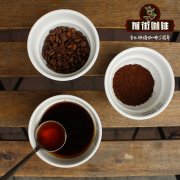
Coffee ritual in Ethiopia, coffee culture in Africa
Professional coffee knowledge exchange more coffee bean information please follow the coffee workshop (Wechat official account cafe_style) in today's European and American coffee culture circle, the way of drinking coffee is very modern, full of technology, fashion, continuous innovation of coffee brewing equipment, scientific data baking, full of design cups, interior design of all kinds of cafes.

Introduction of Coffee Bean growing Environment in Ethiopia
Ethiopian coffee beans grow in close to the natural environment, after years of planting under the same growth conditions, Ethiopian coffee beans have gradually adapted to the environment here. More than 60% of coffee beans are grown in forests or semi-forests. Large-scale coffee-growing villages account for about 35% of the country's total coffee production. Many of these are used.

The reason for the charming flavor of Yega Xuefei: unique coffee planting pattern and Ethiopian native species
Communication of professional baristas Please pay attention to coffee workshop (Wechat official account cafe_style) Esse coffee cultivation is divided according to scale and model: ● forest coffee forest coffee (8-10%), coffee trees and other crops coexist in the primeval forest, without any manual care, farmers will pick coffee fruits regularly. ● Forest-half Forest Coffee semi-forest coff